

ELECTRICAL

The Electrical Industry
powers the modern world, serving as the backbone of our technological advancements and everyday conveniences. From lighting our homes to driving industrial machinery and fueling digital innovation, electricity plays an indispensable role in virtually every aspect of our lives. With continuous advancements in renewable energy, smart grid technologies, and electric vehicles, the industry is at the forefront of sustainable development and the transition towards a cleaner, more efficient future. As demand for energy grows worldwide, the electrical industry remains a dynamic and pivotal force driving progress and shaping the world we live in.
Pad and screen printing are integral processes within the electrical industry, providing essential solutions for marking and decorating various electrical components. Pad printing, with its versatility and ability to print on irregular surfaces, is commonly utilized for labeling buttons, switches, and panels, ensuring clear identification and user-friendly interfaces. Similarly, screen printing offers high-quality, durable printing for circuit boards, membranes, and displays, where precision and reliability are paramount.
Both techniques enable the application of intricate designs, serial numbers, and safety warnings, enhancing the functionality and aesthetics of electrical products. In an industry where clear communication and durability are essential, pad and screen printing play critical roles in meeting regulatory standards, ensuring product integrity, and enhancing user experience.
Pad and Screen printing have various applications in the Electrical Industry
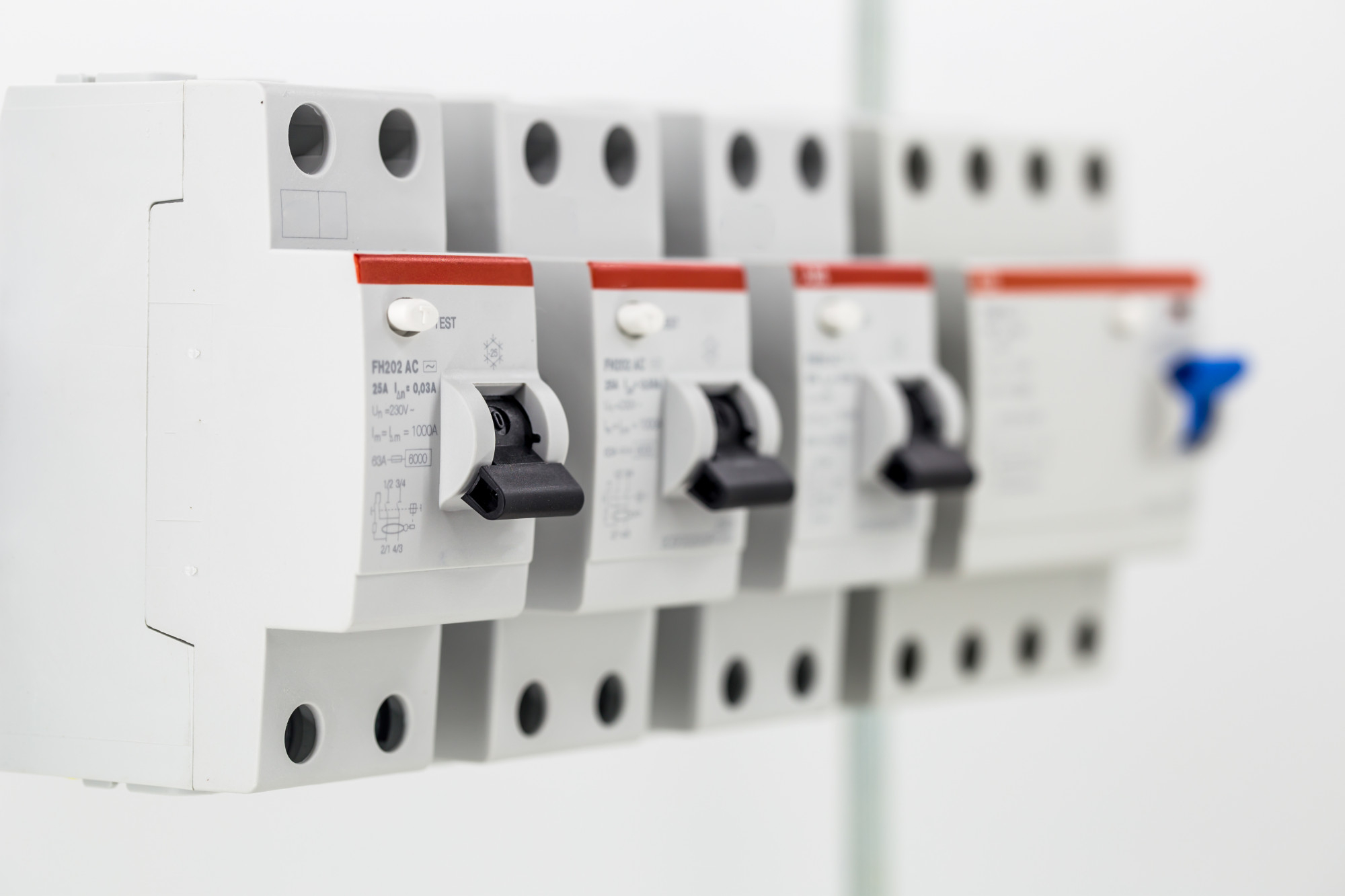
Pad printing on Miniature Circuit Breakers (MCBs) is a common application in the electrical industry. MCBs are vital components in electrical distribution boards, providing overcurrent protection and ensuring the safety of electrical circuits. Pad printing allows manufacturers to mark MCBs with important information such as brand logos, ratings, specifications, and safety warnings. This marking is crucial for product identification, compliance with regulations, and providing necessary information to electricians and users. Additionally, pad printing on MCBs offers durability, resistance to environmental factors, and high resolution, ensuring clear and legible markings even in challenging conditions.
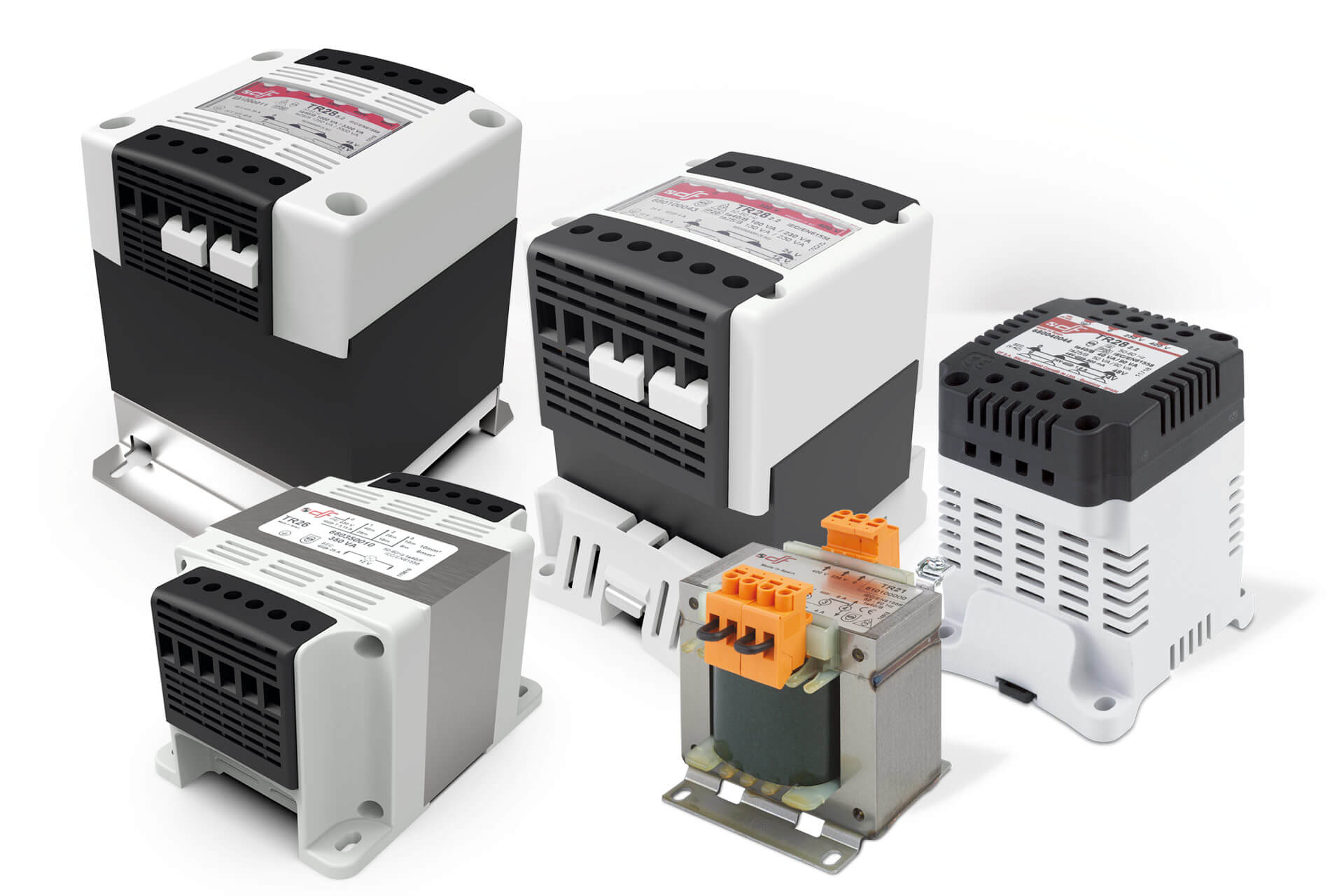
Printing on transformers involves the precise application of specifications such as input/output voltages, power ratings, and part numbers directly onto the casing of the transformer. This serves as essential information for installation, maintenance, and identification purposes. Advanced printing techniques are employed to ensure that the specifications remain legible and durable throughout the lifespan of the transformer. This may involve methods such as pad printing or screen printing, which offer high precision and resistance to environmental factors such as temperature variations and exposure to moisture.
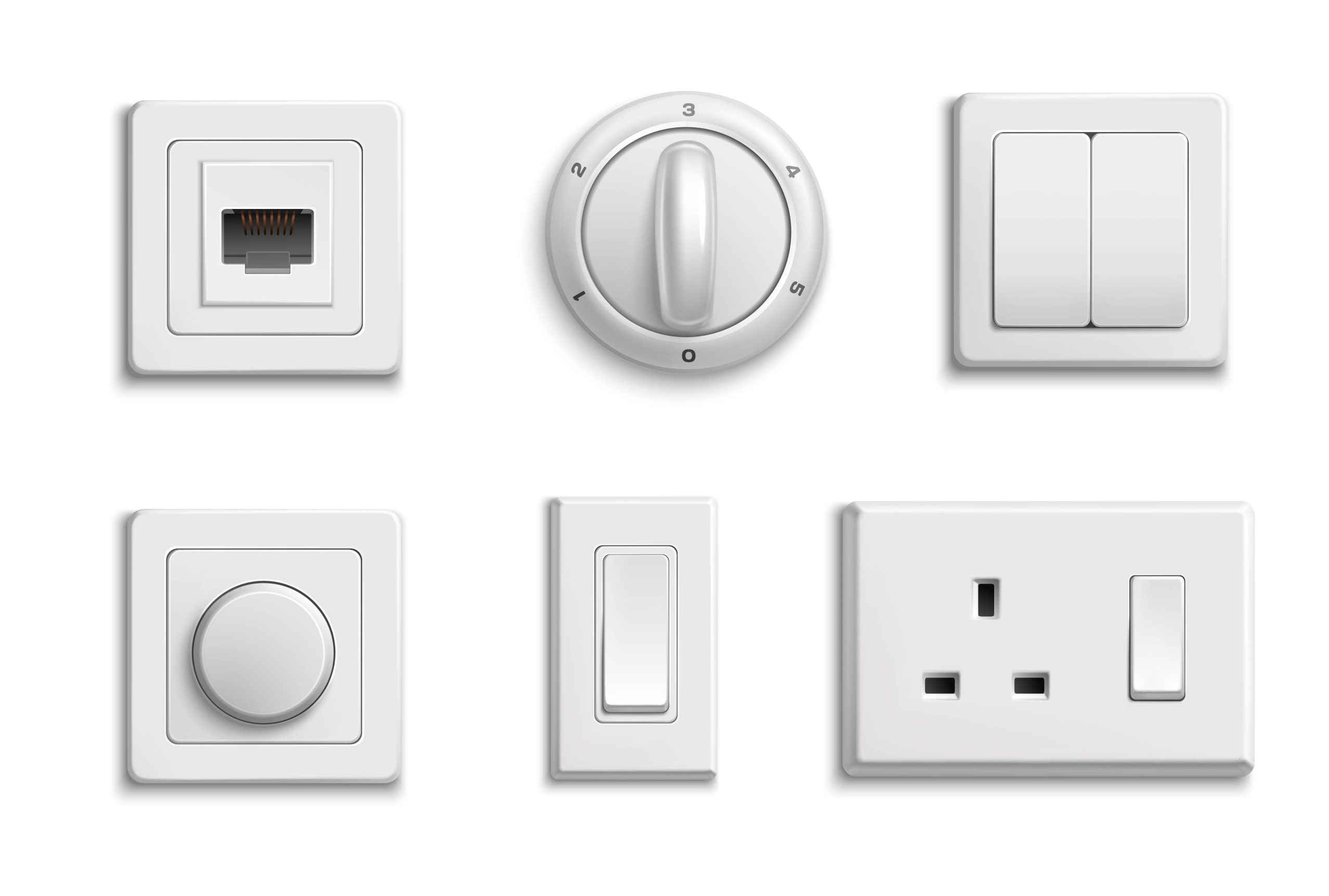
Printing on electric switches and plugs involves the application of important information directly onto the surface of these electrical devices. This information typically includes details such as the manufacturer’s logo, model number, electrical ratings (such as voltage and current), safety certifications, and usage instructions. Advanced printing techniques, such as pad printing or screen printing, are often used to ensure that the printed information is durable and resistant to wear and tear. This ensures that the important details remain legible throughout the lifespan of the switch or plug, even in harsh environmental conditions.
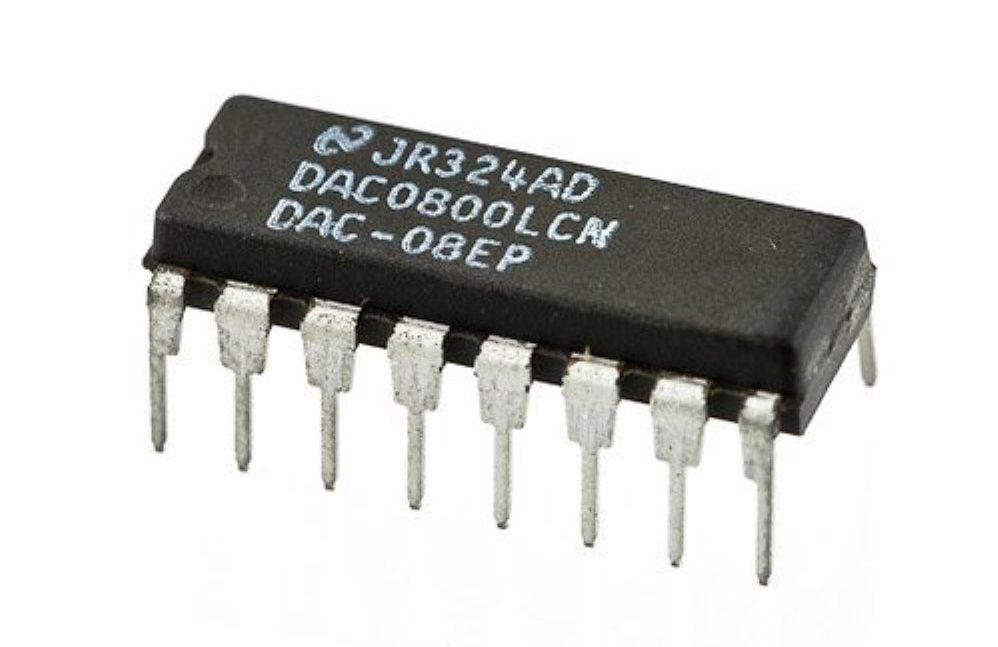
Printing on integrated circuits (ICs) involves applying markings directly onto the chip’s surface during manufacturing. These markings typically include the manufacturer’s logo, part numbers, date codes, and pin designations. They serve to identify the IC, track production batches, and ensure proper installation. Additionally, markings may include barcodes for inventory management and quality control. Overall, printing on ICs is essential for identification, traceability, and quality assurance purposes.
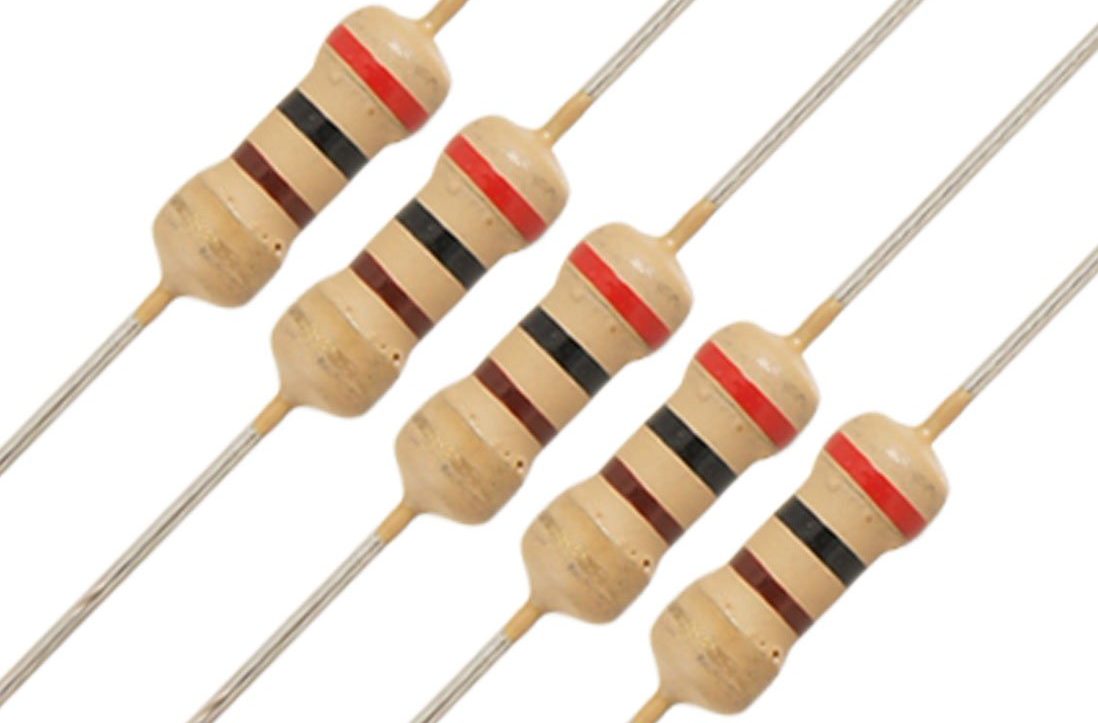
Pad and screen printing on resistors involves marking the component with essential information such as resistance value, tolerance rating, part numbers, and manufacturer identification. These markings aid in proper identification, selection, and installation of resistors in electronic circuits. The use of barcodes or QR codes on resistors has also become increasingly common, providing a convenient means of accessing additional information such as manufacturing data or traceability details.
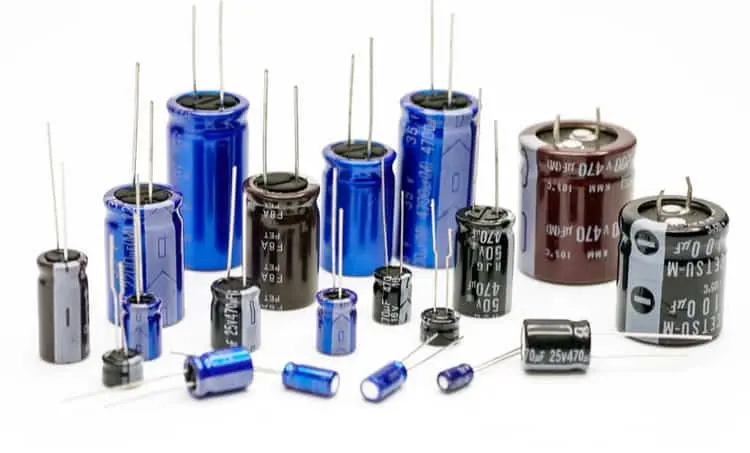
Pad and screen printing on capacitors involves applying essential markings directly onto the component’s surface. These markings typically include capacitance value, voltage rating, part numbers, and manufacturer identification. They aid in accurate identification, selection, and installation of capacitors in electronic circuits, ensuring optimal performance and reliability.
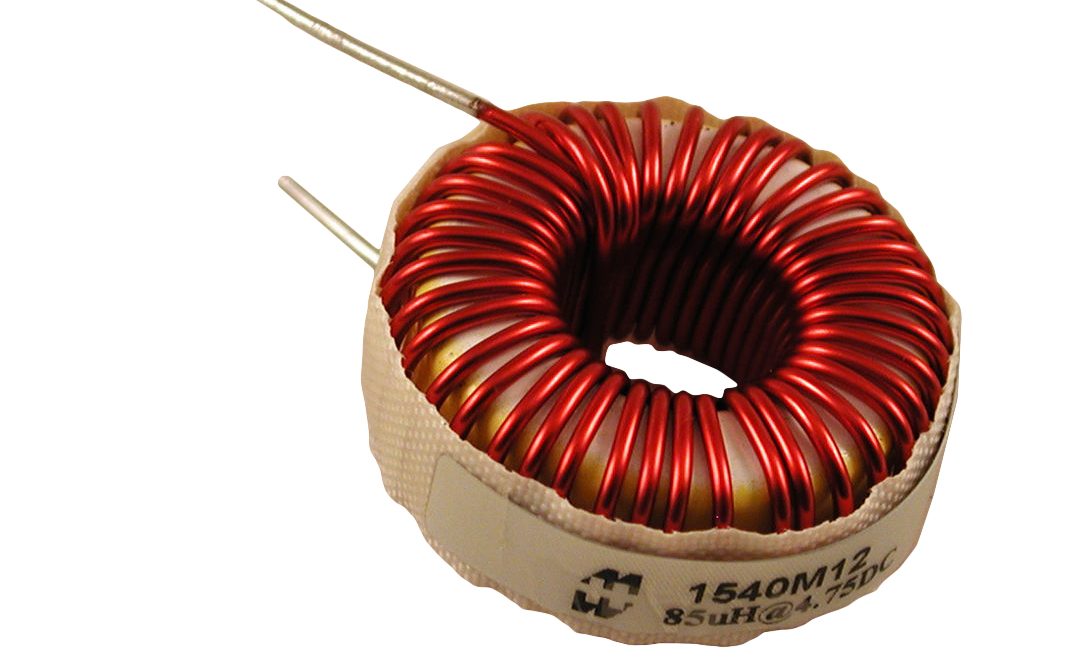
Printing on inductors involves marking the component’s surface with crucial information such as inductance value, tolerance rating, part numbers, and manufacturer identification. These markings facilitate accurate selection and installation of inductors in electronic circuits, ensuring optimal performance and reliability. They aid engineers and technicians in circuit design, troubleshooting, and maintenance processes. Advanced printing techniques ensure durability and legibility of the markings, even in challenging environments.
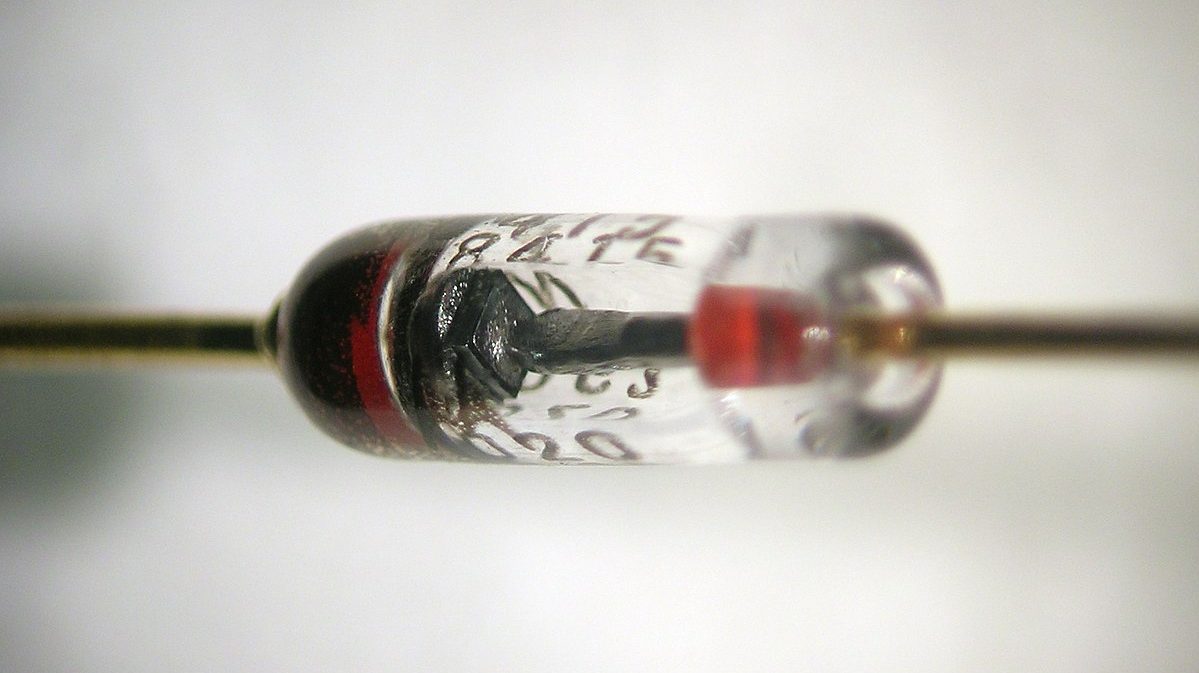
Printing on diodes entails marking the component’s surface with key information including part numbers, polarity indicators, and manufacturer identification. These markings aid in precise identification, selection, and installation of diodes in electronic circuits, ensuring optimal functionality. They play a crucial role in circuit design, troubleshooting, and maintenance processes, enabling engineers and technicians to work efficiently.
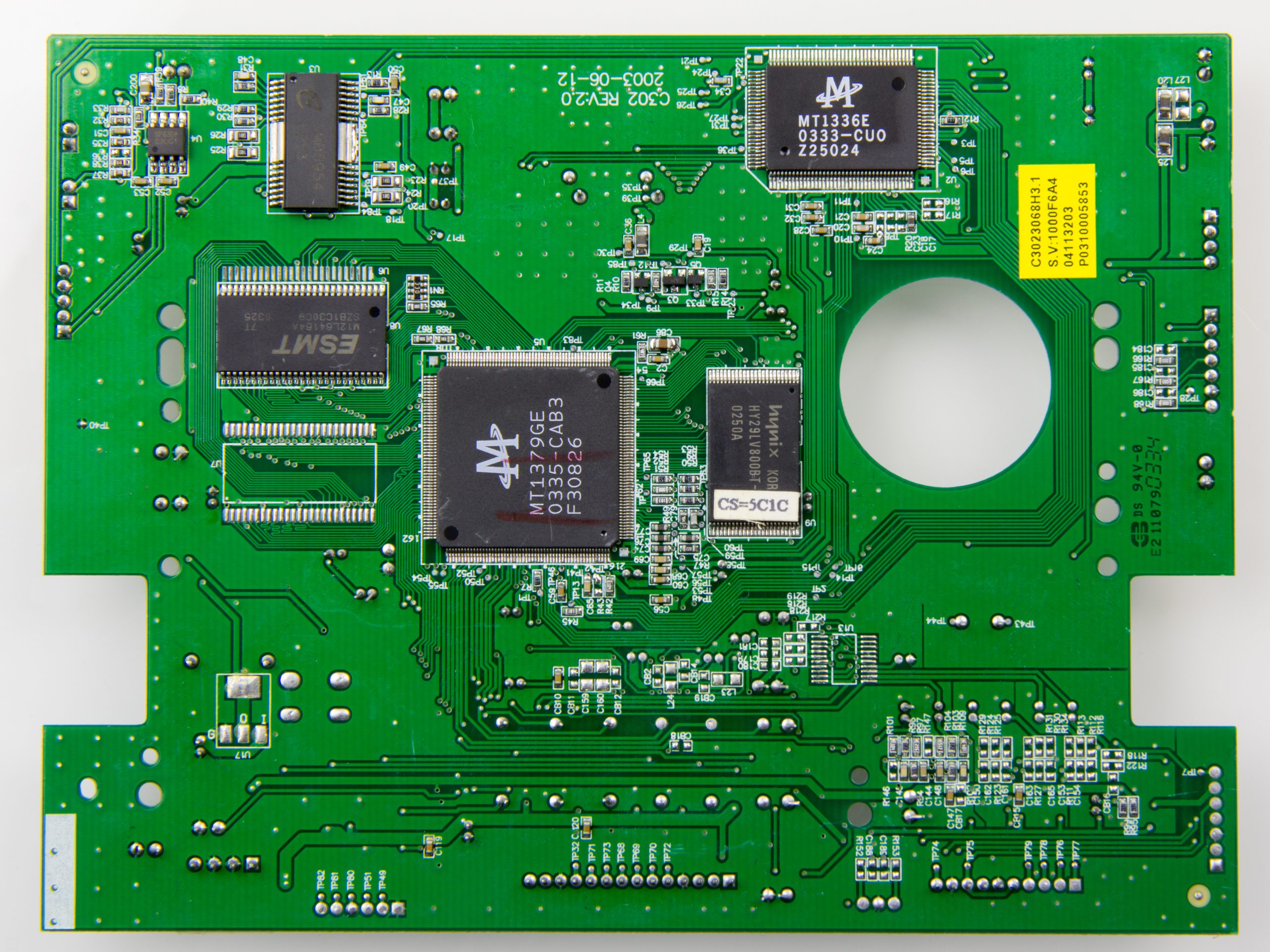
Pad and screen printing on Printed Circuit Boards (PCBs) involves marking essential components with precise information such as part numbers, values, and polarity indicators. These markings aid in assembly, troubleshooting, and maintenance of electronic devices. Resistors, capacitors, and integrated circuits (ICs) are labeled with their respective values and part numbers, facilitating accurate installation and replacement. Overall, pad and screen printing on PCBs serves as a crucial communication tool, providing necessary details for seamless integration and reliable operation within electronic systems.
Pad and screen printing on LEDs and displays involves marking these components with vital information such as part numbers, voltage ratings, and polarity indicators. These markings aid in accurate identification, installation, and operation of LEDs and displays in electronic devices. Part numbers ensure compatibility and sourcing of replacements, while voltage ratings guide proper power supply connections. Polarity indicators ensure correct orientation during assembly.
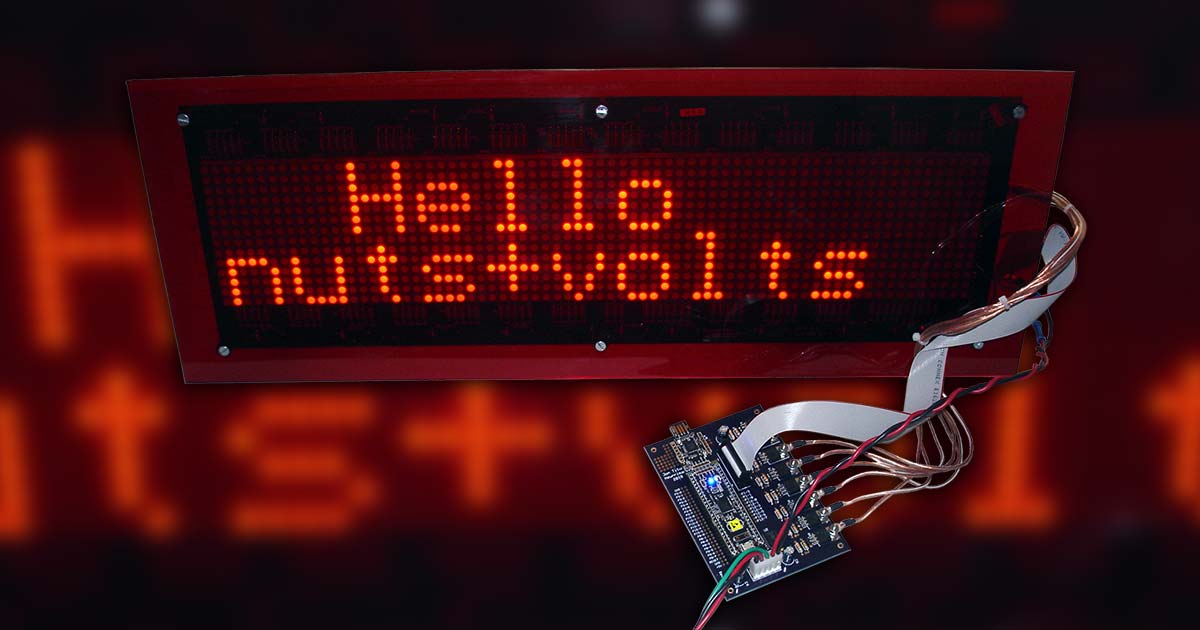

Printing on control panels and instrumentation involves labeling buttons, switches, and indicators with their functions and status. These markings provide crucial guidance for operators in controlling and monitoring electrical systems. Additionally, control panels may feature company logos, model numbers, and safety certifications for identification and compliance purposes. Clear and precise labeling enhances operational efficiency, reduces errors, and ensures the safety of personnel.

❝ Printin Décor is the premier destination for high-quality printing inks and services tailored specifically for the electrical industry. At Printin Décor, we understand the critical role that precision and reliability play in electrical applications. That’s why we specialize in providing top-of-the-line printing solutions designed to meet the unique needs of manufacturers and professionals within the electrical sector. Our extensive range of inks is formulated to deliver exceptional durability, legibility, and performance, ensuring that crucial markings and identifiers on electrical components remain intact even in the most demanding environments. Backed by years of industry expertise and a commitment to innovation, we take pride in being your trusted partner for all your printing needs in the electrical industry. From resistors to control panels, trust Printin Décor to provide the perfect printing solutions to keep your electrical products clearly marked and efficiently operated. Explore our comprehensive range of products and services and experience the difference that we can make for your business. ❞