

FASHION
The Fashion Industry
The fashion industry represents a dynamic and ever-evolving sector that encompasses the design, production, marketing, and distribution of clothing, accessories, footwear, and related products. From haute couture runways to streetwear trends, the fashion industry reflects the diverse tastes, cultural influences, and social movements of society. At its core, the fashion industry is driven by creativity, innovation, and self-expression, with designers constantly pushing boundaries to create new styles, silhouettes, and aesthetics. From luxury brands to fast-fashion retailers, the industry caters to a wide range of consumer preferences, offering everything from timeless classics to cutting-edge trends.
Printing plays a pivotal role in the fashion industry, serving as a versatile tool for adding intricate designs, patterns, and graphics to clothing, accessories, and textiles. In addition to clothing, printing is also prevalent in accessories such as scarves, bags, and hats, as well as in home textiles like bedding and curtains. Whether creating bold statement pieces or subtle accents, printing adds depth, texture, and visual interest to fashion, making it an essential element of design and self-expression in the industry.
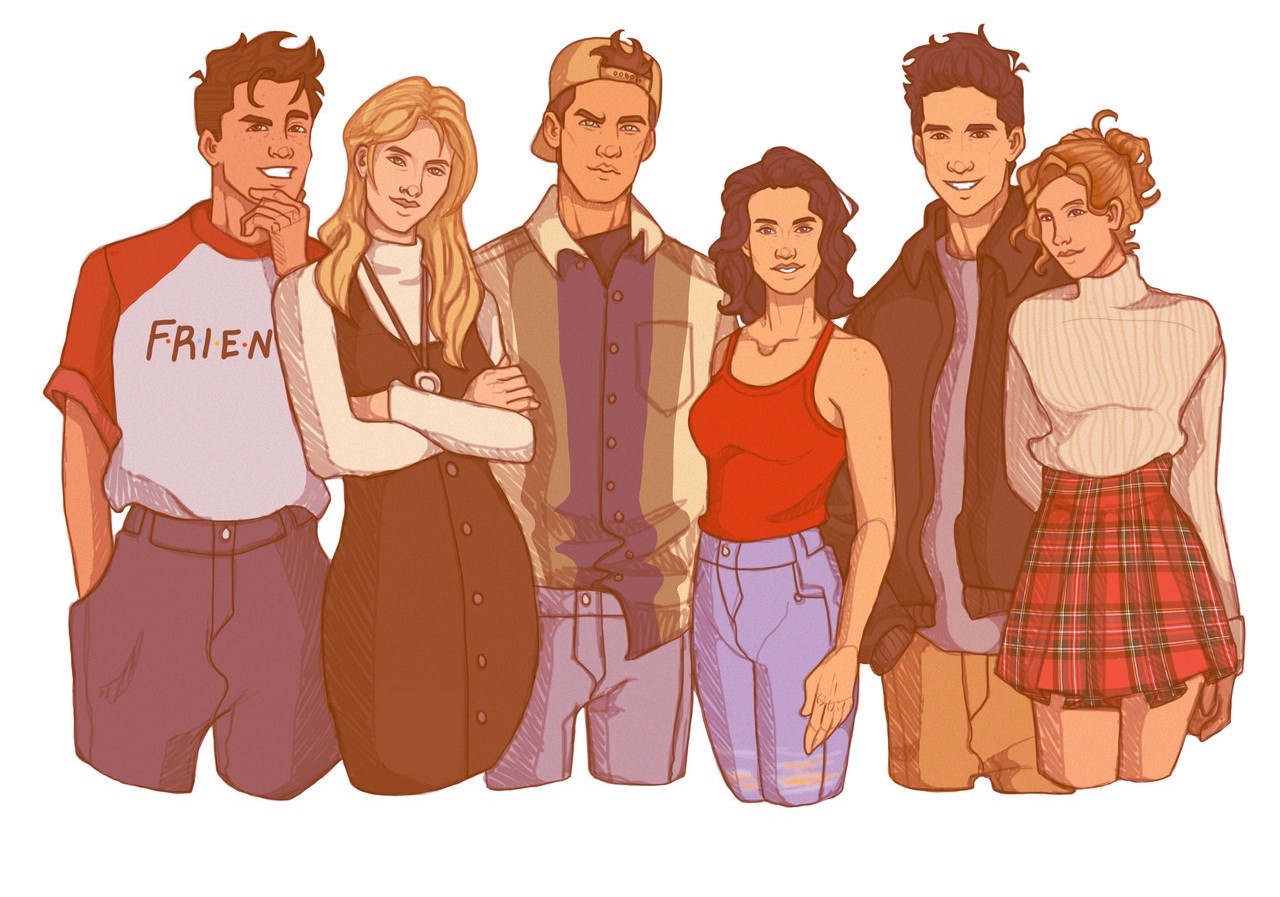
Pad and Screen printing have various applications in the Fashion Industry
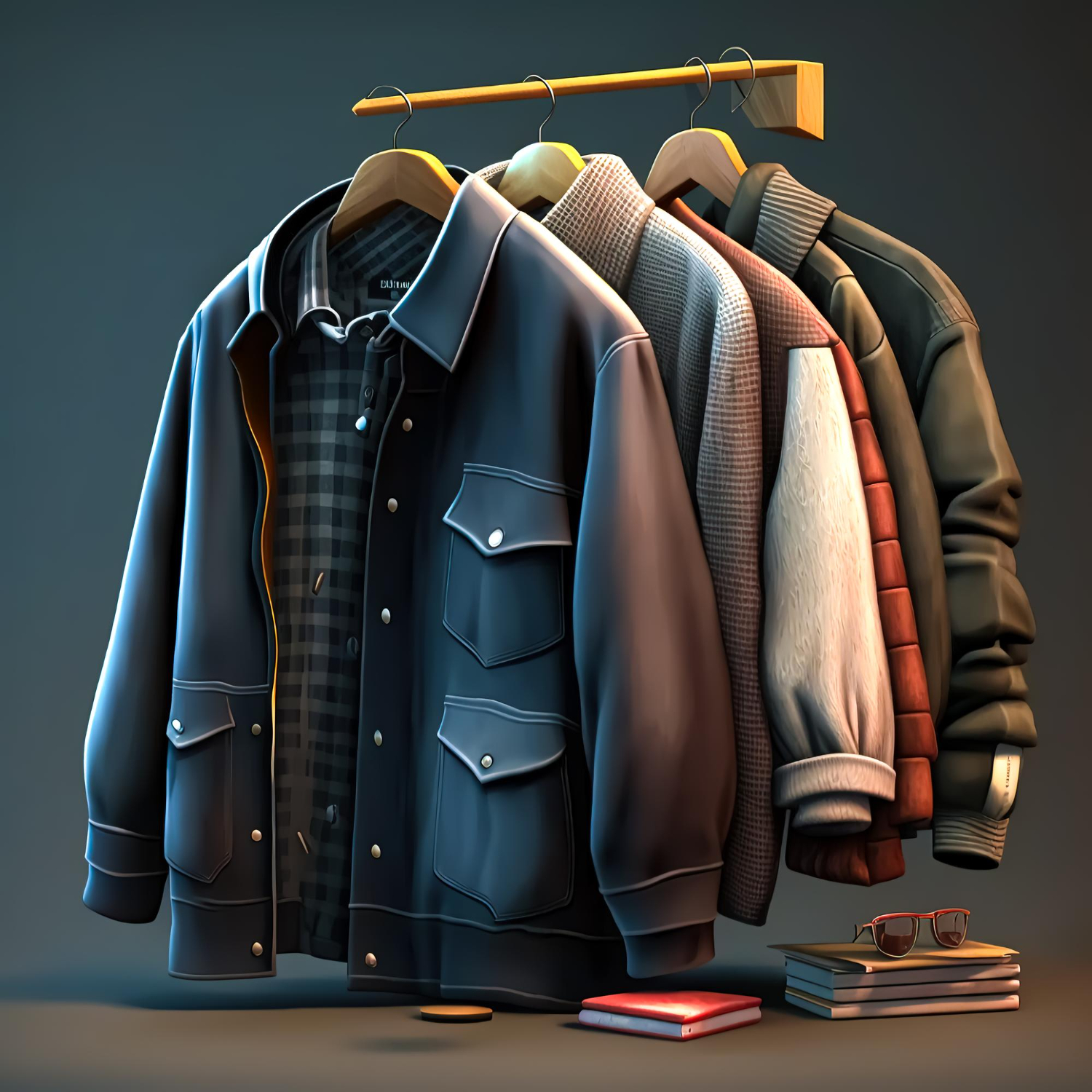
Printing on T-shirts, apparel, sweatshirts, hoodies, uniforms, and workwear offers diverse options to add personalized designs, branding, and customization. Several popular printing techniques are employed, each offering unique results to suit different preferences and requirements.
Screen Printing, Direct-to-Garment (DTG) Printing, Heat Transfer Printing, Embroidery, Vinyl Printing, Sublimation Printing, etc are printing methods which offer distinct advantages and considerations, allowing businesses and individuals to choose the most suitable option based on design complexity, quantity, budget, and desired outcome.
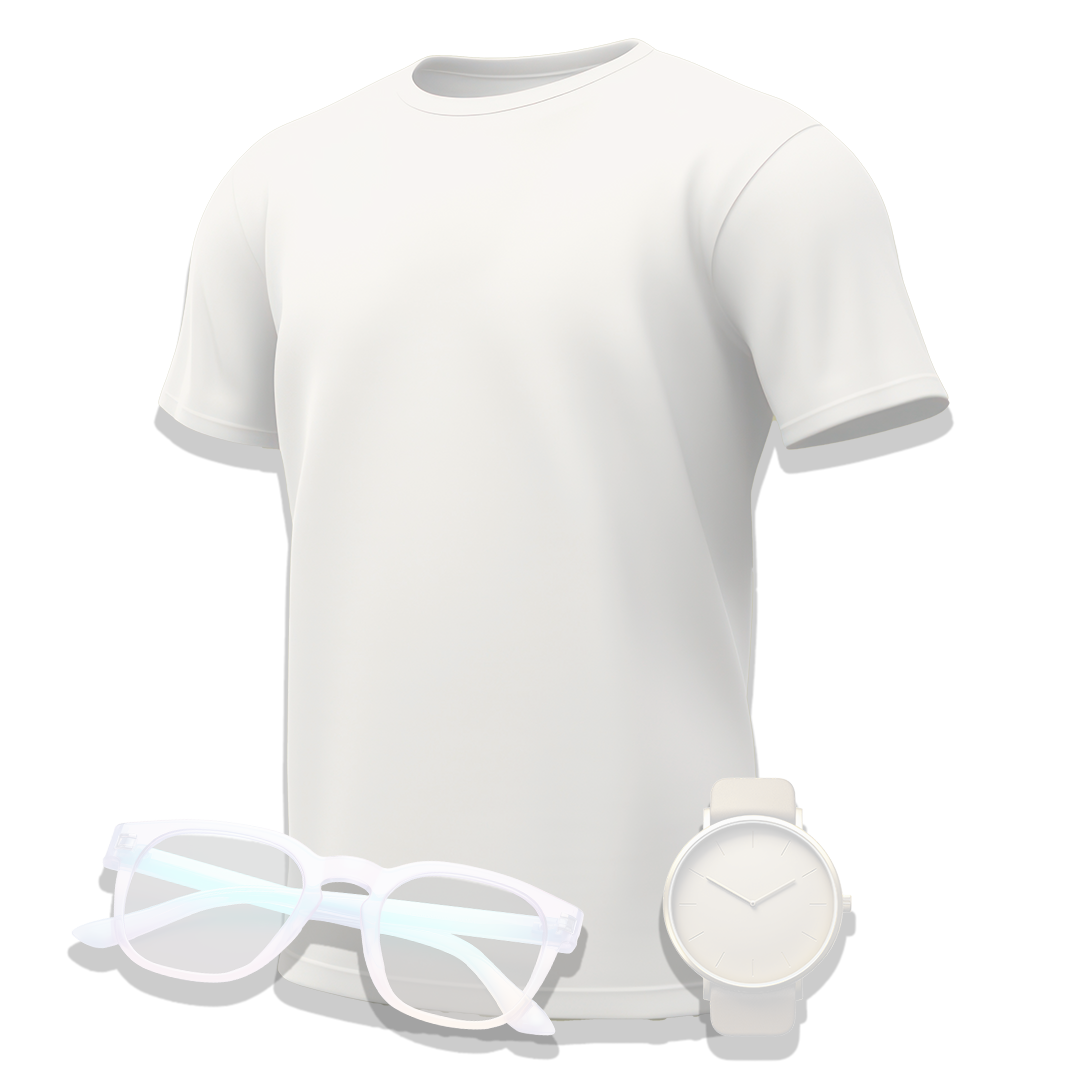
Printing on watches, sunglasses, caps, and hats involves applying designs, logos, or patterns onto these accessories to enhance their aesthetic appeal and brand identity. Various printing techniques are used to achieve desired results, depending on the material and design requirements of each accessory. Printing techniques such as pad printing, screen printing or digital printing, etc., are used to print on these accessories. Overall, printing on watches, sunglasses, caps, and hats serves to personalize these accessories, adding branding elements or decorative touches that reflect individual style preferences or enhance brand recognition.

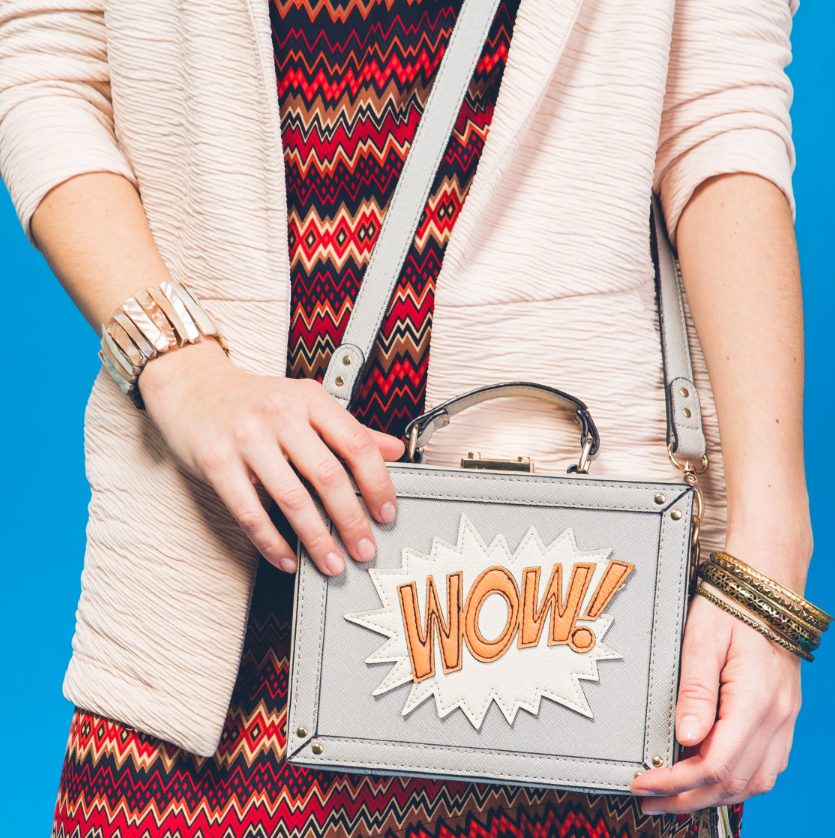
Printing on bags and accessories is a popular technique used to add style, branding, and personalization to these items. From tote bags to backpacks, wallets to phone cases, printing allows for endless customization options, making each piece unique and reflective of individual taste. Various printing methods are employed, depending on the material and desired outcome. Screen printing, heat transfer printing, and digital printing are among the most common techniques used for fabric-based accessories. These methods offer versatility in terms of color, design complexity, and durability, making them suitable for a wide range of applications.
Printing on home textiles involves applying designs, patterns, or images onto fabrics used for various household items, such as bedding, curtains, table linens, and towels. This process allows for customization and personalization of home décor, adding visual interest and style to living spaces.
Several printing techniques are utilized for home textiles, including screen printing, digital printing, heat transfer printing, and sublimation printing. Each method offers unique advantages in terms of color vibrancy, design flexibility, and durability, depending on the fabric type and desired outcome.

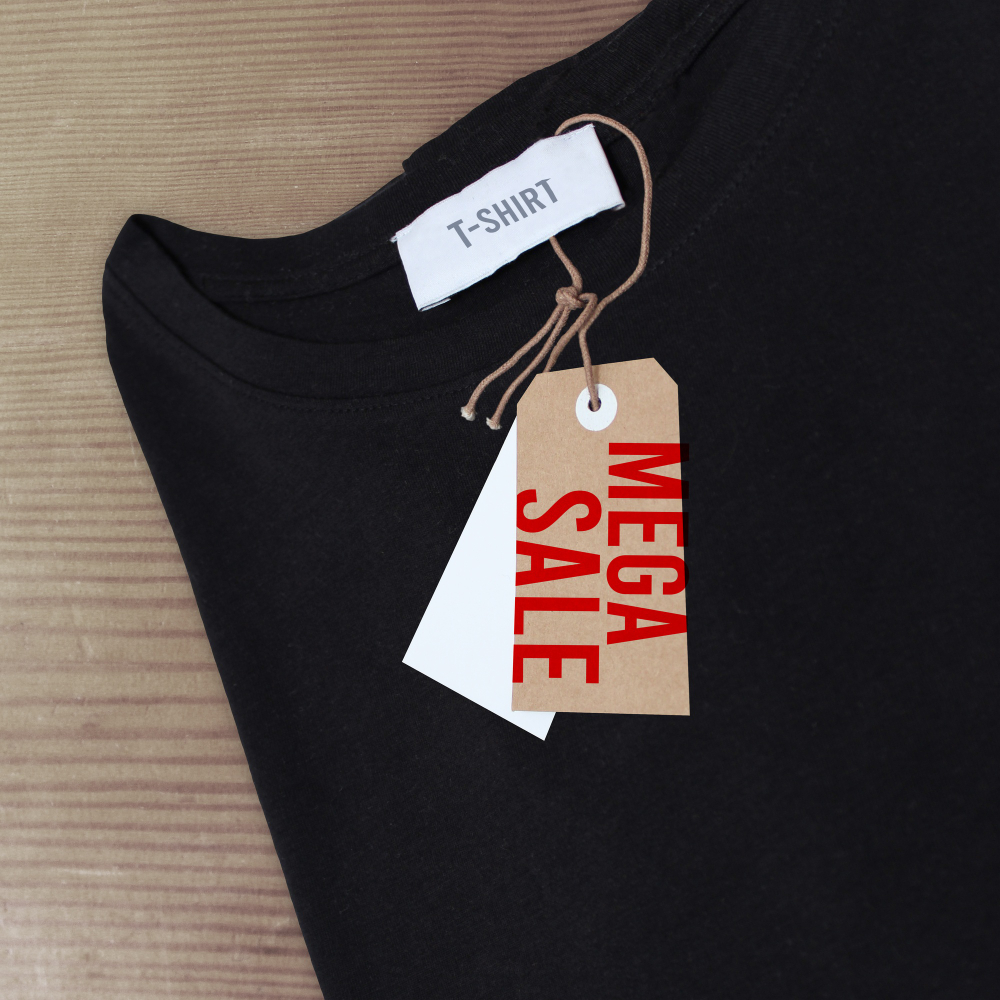
Printing on fashion labels and tags is a critical aspect of branding and product identification in the fashion industry. These labels and tags serve as essential components of garments, providing important information such as brand name, logo, size, care instructions, and fabric composition.
Various printing techniques are employed to create fashion labels and tags, depending on factors such as material, design, and quantity. Common methods include screen printing, heat transfer printing, digital printing, and thermal printing.
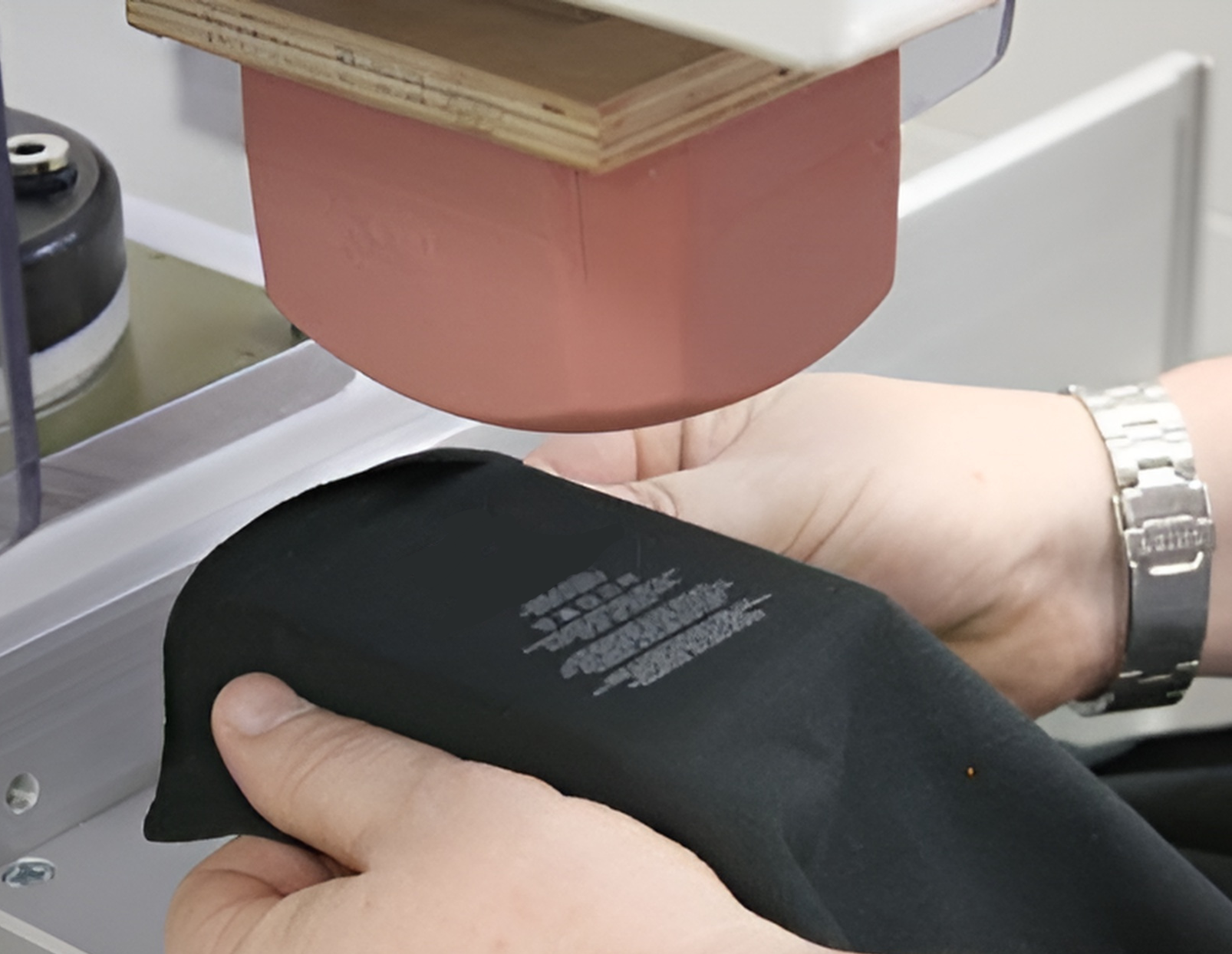
Tagless pad printing, a variant of traditional pad printing, is a revolutionary method used in the garment industry to apply labels directly onto clothing without the need for sewn-in fabric tags. This technique involves using a silicone pad to transfer ink from an etched plate onto the fabric, creating durable and precise imprints. Tagless pad printing offers numerous benefits, including enhanced comfort for the wearer by eliminating scratchy tags, increased durability of labels against washing and wear, and improved brand presentation with crisp, detailed prints. It provides a versatile and efficient solution for labeling garments, offering customization options and flexibility in design.

❝ Welcome to Printin Décor, where innovation meets style in the world of fashion printing inks. As a leading provider of high-quality printing inks tailored specifically for the fashion industry, we are dedicated to helping designers and manufacturers bring their creative visions to life with unparalleled precision and vibrancy. At Printin Décor, we understand the importance of color accuracy, durability, and versatility in fashion printing. That’s why we have meticulously formulated our inks to meet the demanding requirements of textiles, ensuring vivid and long-lasting prints that stand out on any fabric. ❞