The Secret Origins of Pad Printing
Introduction
Pad printing, also known as tampography, is a versatile and highly efficient printing technique used to transfer 2D images onto 3D objects.
It is known for its precision and versatility, but the true origins of this technology remain shrouded in mystery. The exact moment of pad printing’s invention remains uncertain. What we do know is that this technique evolved from the painstaking work of Swiss and German watchmakers, who, over centuries, refined their craft, ultimately leading to the development of pad printing as we know it today.
The Early Beginnings:
Watchmaking in Switzerland and Germany
The Basics
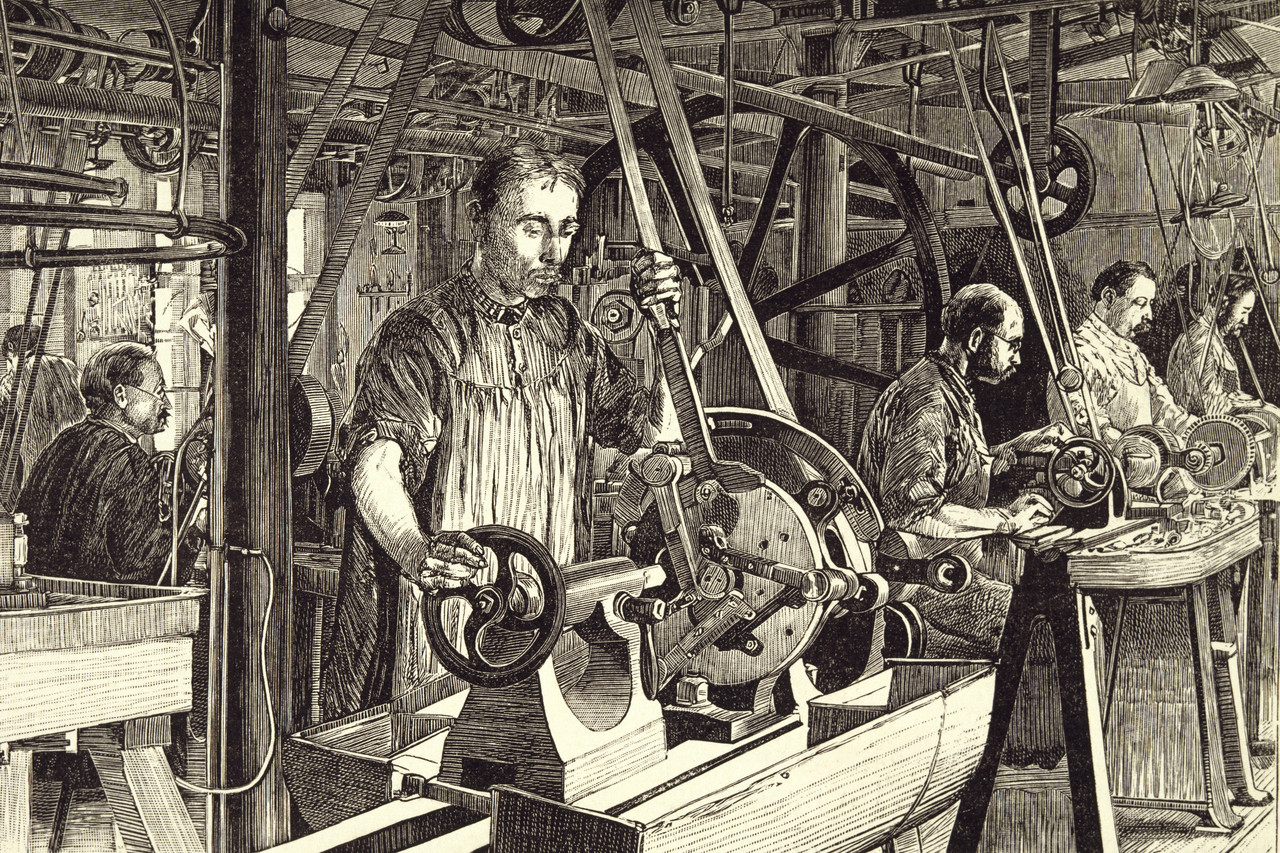
The story of Pad Printing begins in the 18th century, in the regions of the Swiss Jura and the Black Forest in Germany, where watchmakers meticulously
hand-painted the faces of clocks and watches. Back then, this was an incredibly time-consuming process. Each watch face, often adorned with intricate designs, was painted with precision, initially using brushes. Over time, as watch
faces became smaller and more detailed, the paintbrushes used by these artisans also grew finer, eventually leading to the use of a single bristle for some of the most delicate work. With the help of a magnifying glass, these watchmakers
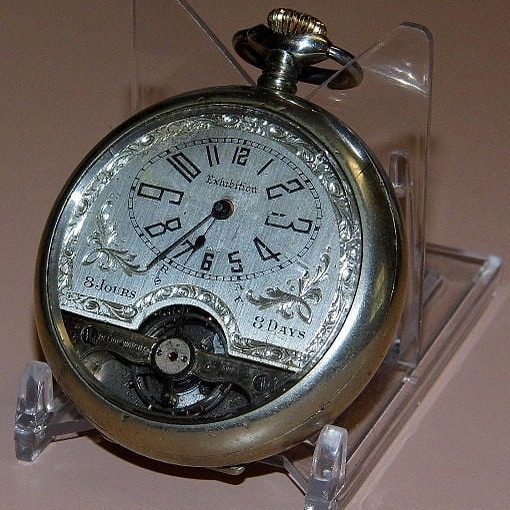
created miniature works of art, with some designs so intricate they included entire Bible passages or maps. These masterpieces were so detailed that the naked eye could not easily read them. Samples of such exquisite watch faces
can still be seen in watch museums, especially at the Watch Museum in La Chaux-de-Fonds, Switzerland.
The Transition to Pad Printing:
A Mysterious Evolution
Despite the detailed historical records, even the extensive research conducted by the Watch Museum in La Chaux-de-Fonds was unable to pinpoint exactly when the transition from hand-painting to pad printing occurred. It is likely that precursors to modern pad printing machines existed as early as the 18th century, although the exact inventor remains unknown. What we do know is that pad printing evolved as a response to the growing demand for more efficient methods of decorating the increasingly smaller and intricate watch faces.
Vintage Watch
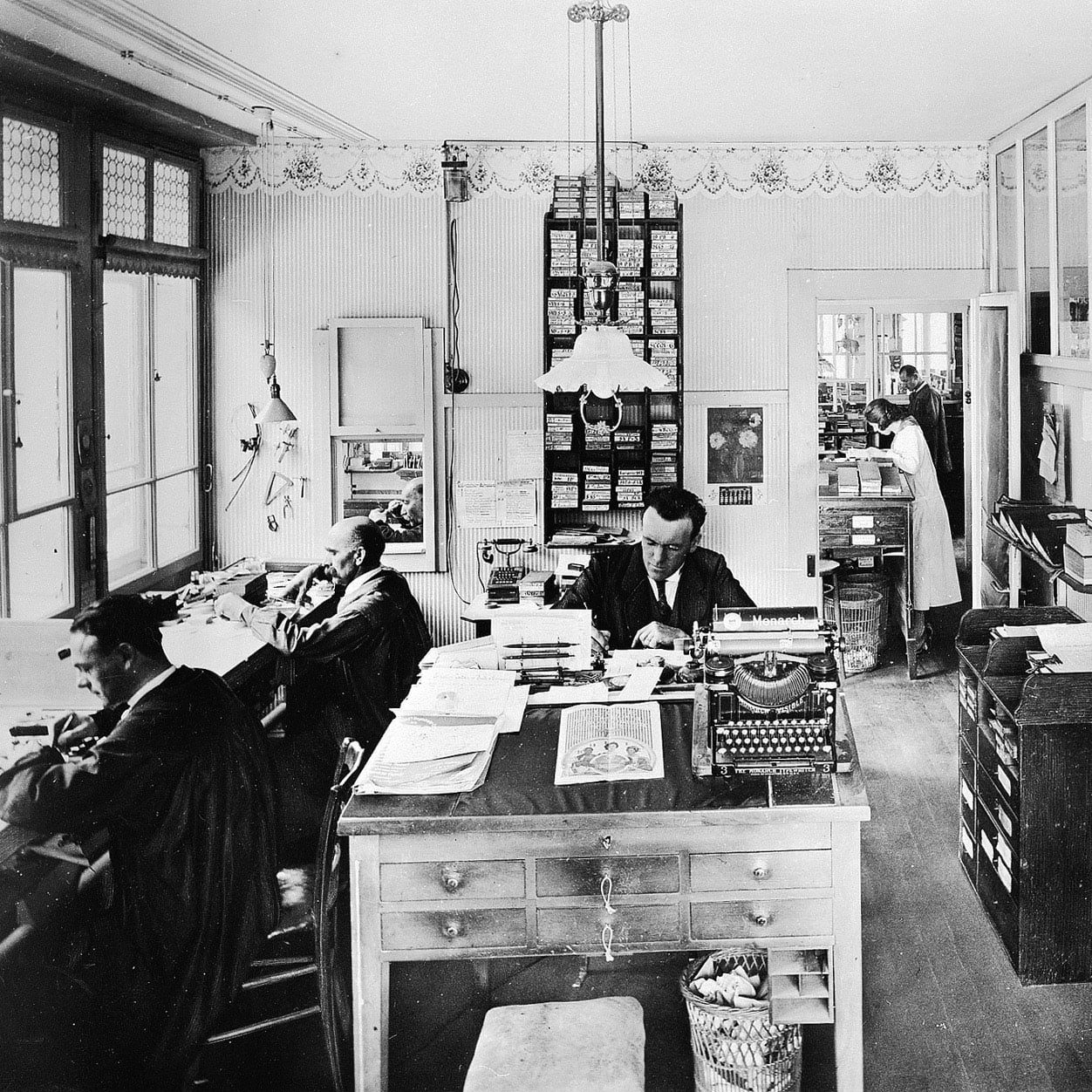
Watch Makers in 18th CE

18th CE Watch Designs
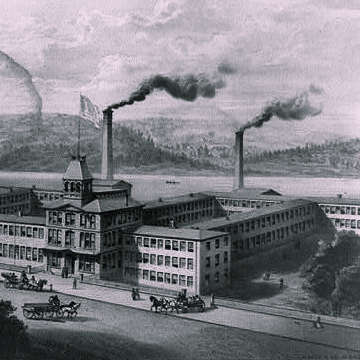
Old Swiss Watch Factory
World’s First Ever Pad Printing Machine
The first known pad printing machines were relatively simple in design but effective. They were equipped with both horizontal and vertical carriages, which had to be operated manually. The vertical carriage was held in place by a spring, allowing for precise, controlled movement—an essential feature for printing delicate designs on small surfaces.
Just as with modern machines, the early versions allowed operators to adjust the position of the print with precision. However, operating these machines required a great deal of skill, and the process of preparing the printing pads was equally demanding.

Gelatin Pads: The Early Printing Medium
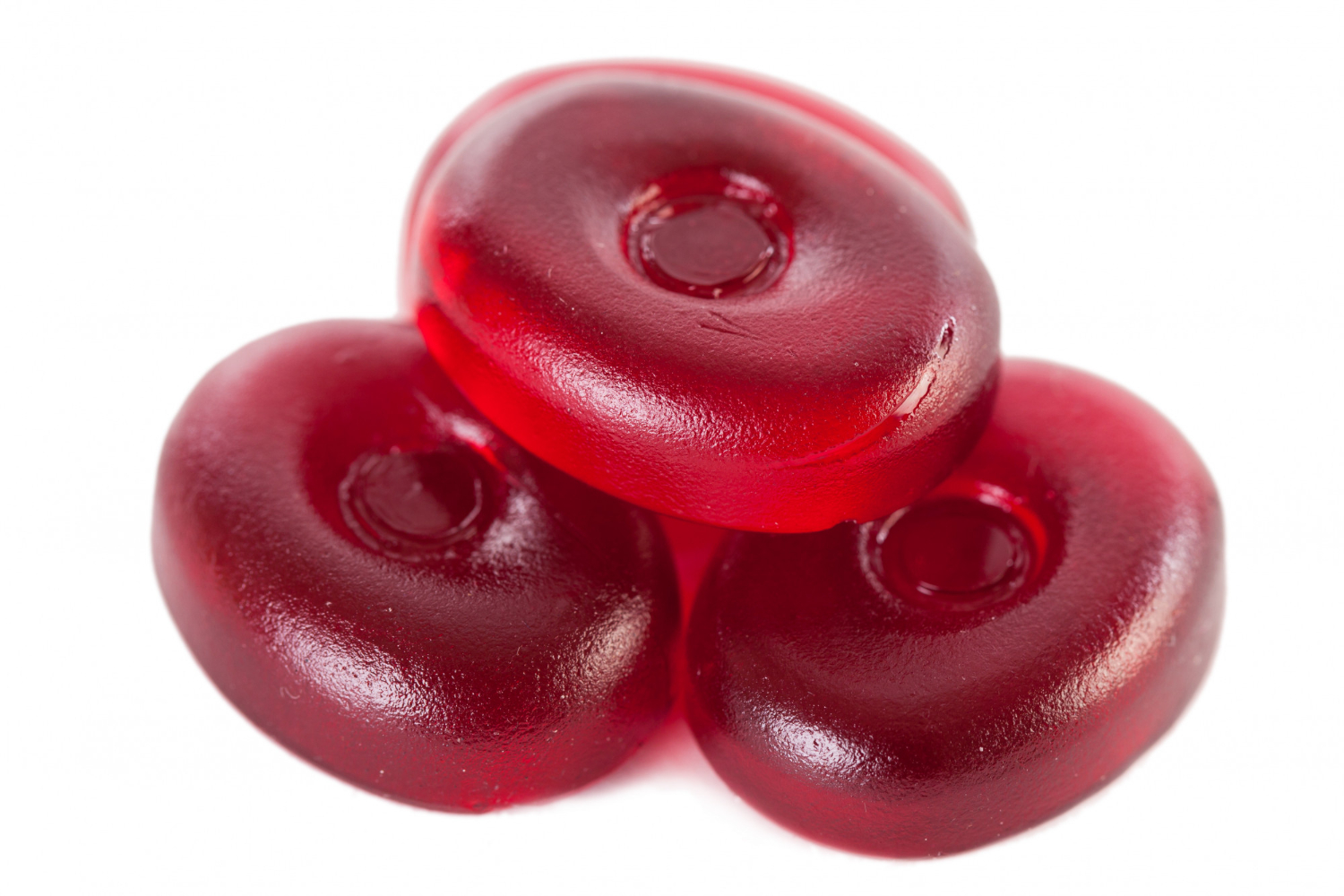
In the early days of pad printing, the pads used were made from gelatin, a material derived from bone meal. The gelatin pads were pre-formed in casting molds and carefully prepared for printing. The printing surface of the pad was heated with a flame, and as it cooled, it developed a shiny, sticky surface that could pick up ink for transfer. However, this surface was so sticky that ink transfer wasn’t possible until the surface was powdered.
Once powdered, these gelatin pads could transfer ink onto substrates about 20 times before needing to be re-powdered or replaced. The powder composition and the ink formula used were closely guarded trade secrets at the time, making the process of pad printing highly specialized and exclusive.
The Role of Early Craftsmen
In the early days of pad printing, the process was known as steel engraving due to the manual engraving required to create the clichés (printing plates). The profession of engraver was highly specialized, as these craftsmen had to manually engrave designs into copper or iron plates, which were then used for printing.
The actual printing process was carried out by women, known as “decalqueuses”, who operated the pad printing machines. These women were responsible for ensuring that the pads transferred ink accurately and consistently onto the watch faces or other objects. The combination of manual skill, specialized tools, and secret formulas made pad printing a highly skilled trade.
From Gelatin Pads to Silicone Pads
The modern pad printing process that we recognize today underwent significant changes in the 20th century. One of the most important developments was the replacement of gelatin pads with silicone rubber pads. Silicone offered superior flexibility, durability, and resistance to wear, allowing for longer production runs and higher-quality prints.
Moreover, the introduction of automated pad printing machines and advancements in cliché production (such as photopolymer and laser-etched plates) made the process faster, more reliable, and adaptable to various industries beyond watchmaking, including electronics, automotive, medical devices, and promotional products.

Pad Printing & Printin Decor
Today, pad printing has evolved into a critical technology used across industries to print on a wide variety of substrates, including plastics, metals, ceramics, and glass. Its ability to print on irregular surfaces and complex 3D shapes. Modern pad printing machines are often fully automated, offering high production speeds, precise registration, and the ability to print multiple colors in a single pass.
Printin Decor, a leader in the printing industry, offers state-of-the-art pad printing machines, inks, and consumables tailored to meet the demands of today’s manufacturers. Whether you need a custom ink formulation for a specific substrate or a highly specialized printing machine, Printin Decor provides solutions that ensure consistent, high-quality results.
We are Authorized dealer of Sericom Inks (Italy) and Encres Dubuit Inks (France) and our brand name “PRINTIN DECOR” and “PRINT PLUS” inks.
Why Choose Printin Decor for Pad Printing?
- Comprehensive Product Range: We offer a wide selection of pad printing machines, from compact models for small-scale operations to advanced machines for high-volume production. Our machines are designed to handle various substrates and shapes with precision and efficiency.
- High-Quality Inks: Our pad printing inks are formulated to provide excellent adhesion, vibrant colors, and long-lasting durability. We offer inks suitable for a variety of materials, including plastics, metals, glass, and ceramics.
- Expert Support: Our team of experts is dedicated to helping you find the right pad printing solutions for your specific needs. We provide technical support, training, and maintenance services to ensure your operations run smoothly.
- Customization: We understand that every business has unique requirements. That’s why we offer customization options for our machines and inks to meet your specific printing challenges.
Get Started with Pad Printing Today
Whether you’re a beginner looking to start a pad printing business or a seasoned professional seeking top-quality supplies, Printin Decor has everything you need. From vibrant pad printing inks to cutting-edge machines and consumables, we’re dedicated to helping you produce stunning prints that last.
Explore our range of products at Printin Decor, and let us be your trusted partner in pad printing innovation.