

PIGMENT FOR RUBBER
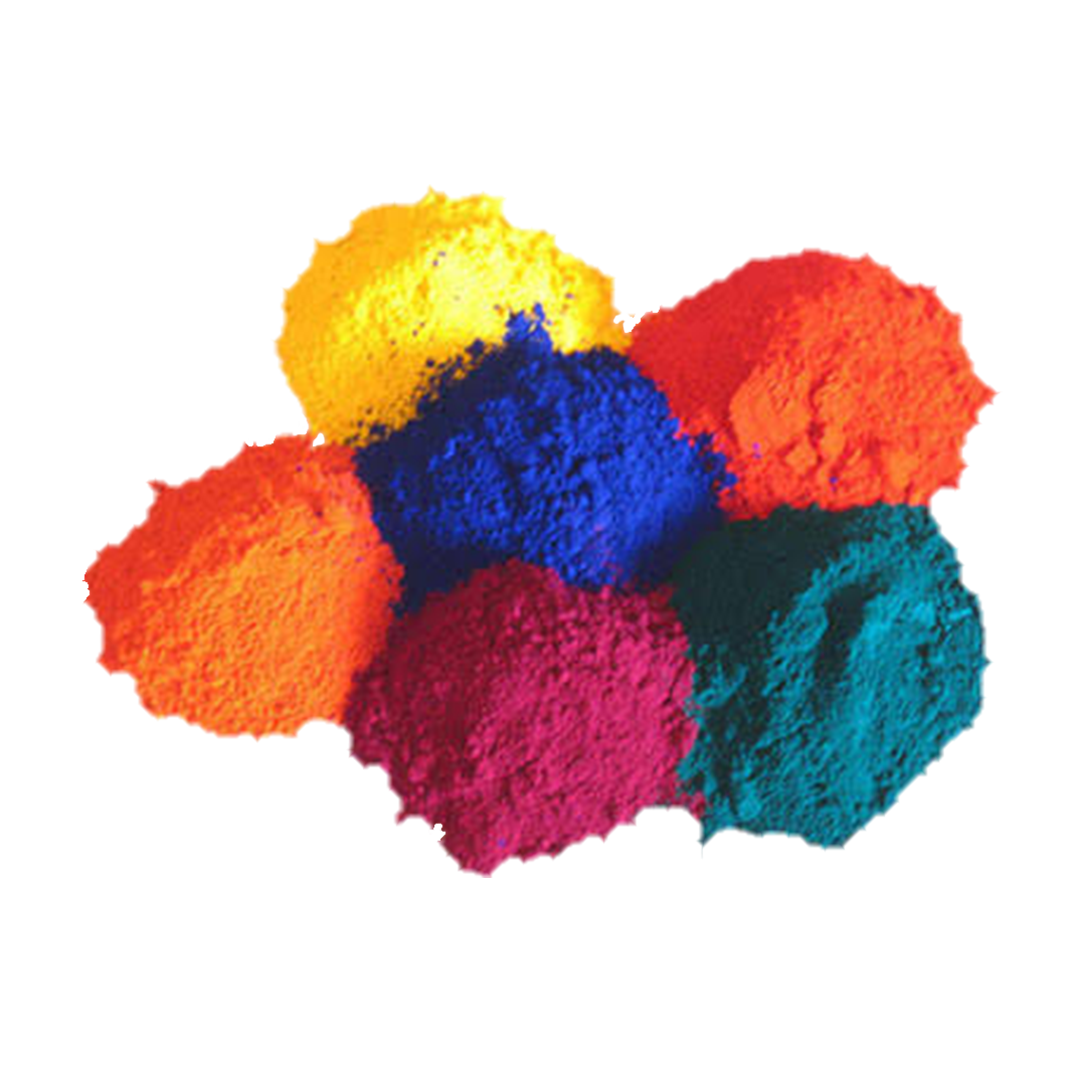
In the printing industry, pigments for rubber printing are meticulously formulated to be compatible with rubber materials, ensuring vibrant and durable coloration. These specialized pigments are designed to adhere to the unique properties of rubber, providing long-lasting color that withstands the wear and tear typical of rubber products. The formulations are resistant to fading, abrasion, and environmental factors, ensuring that the printed designs remain vivid and intact over time.
Rubber printing involves the process of applying ink onto various rubber surfaces, such as rubberized fabrics, rubber sheets, or finished rubber products. This technique is essential in creating detailed, high-quality prints that are not only aesthetically pleasing but also functional and durable.
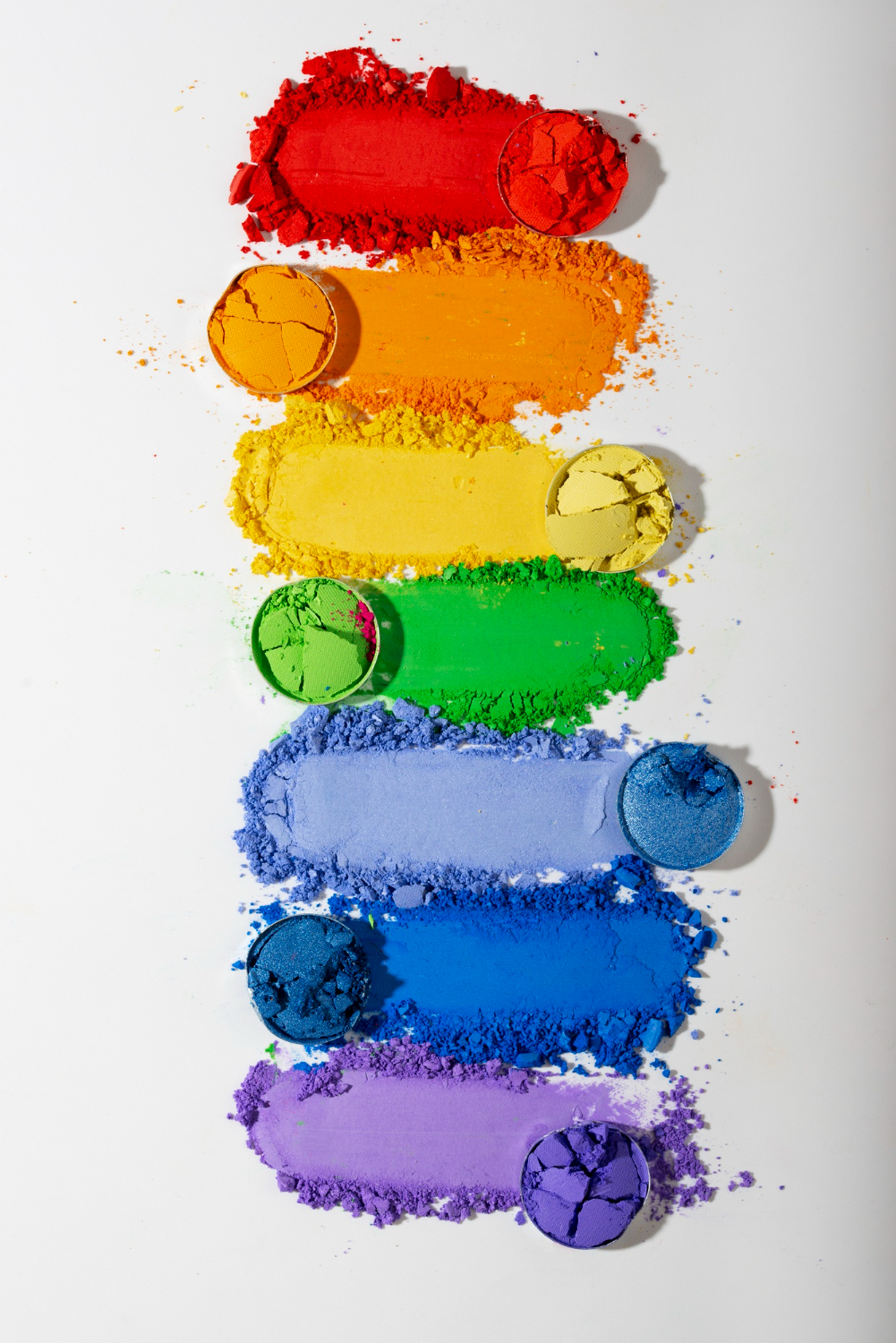
Let’s explore some key points about the pigments used for rubber printing:
1. Rubber Compatibility: Firstly, pigments used for rubber printing are designed to have good adhesion and compatibility with rubber surfaces. They are formulated to adhere to the rubber substrate and withstand the flexibility and stretching that rubber materials may undergo.
2. Color Intensity and Vibrancy: Moreover, rubber printing pigments are formulated to provide vibrant and intense colors. They are made using finely ground particles that disperse well in the ink and offer excellent color saturation. This ensures that the printed designs on rubber surfaces are vivid and visually appealing.
3. Lightfastness and Resistance: Furthermore, pigments for rubber printing are selected for their lightfastness, which refers to their ability to resist fading or discoloration when exposed to light over time. They are often tested and rated for their resistance to UV radiation and other environmental factors that could impact color durability.
4. Chemical and Abrasion Resistance: Additionally, rubber printing pigments are formulated to withstand exposure to chemicals, oils, and abrasion. This is important to ensure that the printed designs on rubber surfaces remain intact and durable, even in demanding applications or harsh environments.
5. Ink Formulations: Moreover, pigments for rubber printing are typically incorporated into specialized ink formulations suitable for rubber surfaces. These ink formulations may contain additional components such as binders, resins, and additives to enhance adhesion, flexibility, and other desired properties.
6. Printing Techniques: Lastly, rubber printing pigments can be used with various printing techniques, including screen printing, pad printing, and direct-to-garment printing. The specific printing method chosen depends on factors such as the type of rubber substrate, the complexity of the design, and the desired print quality.