ROBOTIC GLUE DISPENSING MACHINE
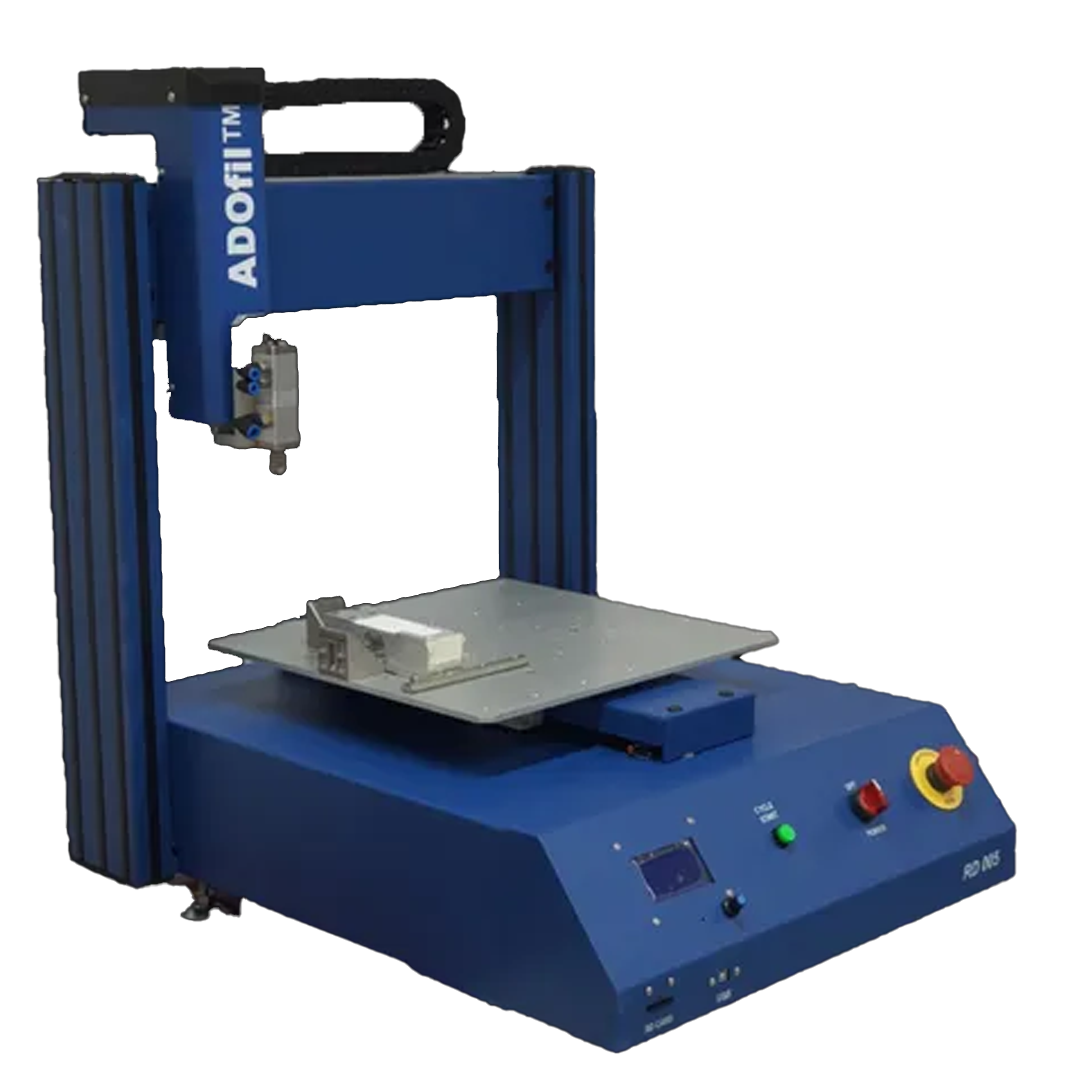
A robotic glue dispensing machine, also known as a robotic adhesive dispensing system, is a specialized piece of equipment that automates the process of dispensing adhesive or glue onto various surfaces or components. Additionally, it combines the precision and efficiency of robotics with the controlled application of adhesives, providing consistent and accurate results in manufacturing and assembly processes.
Furthermore, robotic glue dispensing machines find applications in various industries, including automotive, electronics, packaging, aerospace, and more. These machines are particularly valuable in scenarios where precise and efficient adhesive bonding is essential. By streamlining production processes and enhancing product quality, they offer a reliable solution for adhesive application in manufacturing environments.
Robotic glue dispensing machines typically comprise the following components:
1. Robot Arm: The machine incorporates a robotic arm or multiple robotic arms, which execute programmed movements and control the dispensing process. The arm(s) can move along multiple axes, enabling flexibility and access to different areas of the workpiece.
2. Dispensing System: The dispensing system consists of a reservoir or cartridge that stores the adhesive or glue. It connects to a nozzle or dispensing tip, which regulates the adhesive flow. The system may also include valves, pumps, or pressure regulators to manage dispensing parameters like flow rate, pressure, and pattern.
3. Vision System: Some advanced robotic glue dispensing machines may feature a vision system or cameras to provide visual feedback and ensure accurate positioning and alignment of the adhesive. This compensates for any variations in the workpiece or surface.
4. Programming and Control: The machine operates through specialized software that allows programming of dispensing paths, flow rates, dispensing patterns, and other parameters. The programming can be performed via a user-friendly interface, enabling operators to define specific requirements for each application.